
Important Areas to Clean After Renovation:
After a renovation project, it is crucial to thoroughly clean various areas to ensure the space is pristine and safe for enjoyment. Post-renovation cleaning involves meticulous attention to detail in removing all traces of construction debris, dust, and grime that may have accumulated during the renovation process. This step is essential not only for aesthetic purposes but also for maintaining a healthy living environment free from potential allergens and irritants.
In addition to removing debris and dust, it is important to clean surfaces, windows, mirrors, appliances, fixtures, and floors to eliminate any remaining traces of dirt and debris. Paying close attention to these areas will help restore the space to its pre-renovation state and enhance the overall look and feel of the area. Proper cleaning and sanitizing also help eliminate any lingering odors and ensure a fresh and welcoming environment for occupants.
Prepping the Area
Before diving into the actual cleaning process after a renovation, it is crucial to properly prep the area. Start by removing any large items or furniture to create an open space for easier maneuvering. This step not only allows for better access to all surfaces but also prevents any items from getting in the way during cleaning, ensuring a thorough job.
Additionally, make sure to cover any remaining furniture or fixtures with protective sheets to prevent dust and debris from settling on them. This proactive measure will save you time and effort in the long run, as it minimizes the need for extensive cleaning of items that could have been protected beforehand. By taking the time to prep the area adequately, you set the stage for a more efficient and effective post-renovation cleaning process.
Removing Construction Debris
Once the renovation work is complete, the next crucial step is tackling the removal of construction debris efficiently. This process involves getting rid of materials such as leftover building supplies, packaging, and any other waste that accumulated during the renovation process. Ensuring the proper disposal of this debris not only enhances the aesthetic appeal of your space but also creates a safer environment free of potential hazards.
Construction debris removal is a significant aspect of post-renovation cleaning that requires meticulous attention to detail. To streamline this task, it's essential to segregate the waste into different categories for proper disposal. This strategic approach not only facilitates the cleanup process but also contributes to environmentally responsible practices by ensuring recyclable materials are diverted from landfills. By methodically clearing out construction debris, you can set the stage for the subsequent cleaning tasks and ultimately achieve a pristine end result for your renovated space.
• One of the key steps in post-renovation cleaning is removing construction debris efficiently
• Construction debris includes leftover building supplies, packaging, and other waste accumulated during renovation
• Proper disposal of debris enhances aesthetic appeal and creates a safer environment
• Segregating waste into different categories for proper disposal streamlines the cleanup process
• Environmentally responsible practices involve diverting recyclable materials from landfills
• Clearing out construction debris sets the stage for subsequent cleaning tasks to achieve a pristine end result.
Cleaning Surfaces
After completing a renovation project, one of the crucial tasks is to meticulously clean all surfaces in the renovated area. Dust and dirt tend to settle everywhere during construction, making thorough surface cleaning essential for a fresh and polished look. Using a combination of microfiber cloths and gentle cleaning solutions can help remove any residue left behind, ensuring a pristine finish in your newly renovated space.
Pay close attention to detail when cleaning surfaces such as countertops, shelves, and cabinets. Wiping these areas down with a damp cloth followed by a dry one can eliminate any remaining debris and leave a clean, streak-free surface. For surfaces that require special care, refer to the manufacturer's cleaning instructions to avoid damaging finishes or materials. Taking the time to clean surfaces properly will not only enhance the appearance of your renovated space but also contribute to a healthier and more comfortable environment for you and your family.
Dusting and Vacuuming
When it comes to post-renovation cleaning, dusting and vacuuming are essential tasks to ensure that every nook and cranny is free of debris and dust particles. Dusting surfaces such as shelves, countertops, and furniture removes settled dust from the renovation process, providing a fresh and clean look to your newly renovated space. Utilizing a microfiber cloth or duster can efficiently trap and remove dust without spreading it elsewhere, making the dusting process more effective.
Following the dusting process, vacuuming becomes crucial to eliminate any dust, dirt, and debris that may have settled on floors, carpets, and rugs during the renovation. Using a vacuum cleaner with a strong suction power and appropriate attachments can effectively remove particles from various surfaces, leaving your floors spotless and free of renovation remnants. Paying special attention to corners, edges, and under furniture can ensure a thorough cleaning process, promoting a healthier living environment post-renovation.
Cleaning Windows and Mirrors
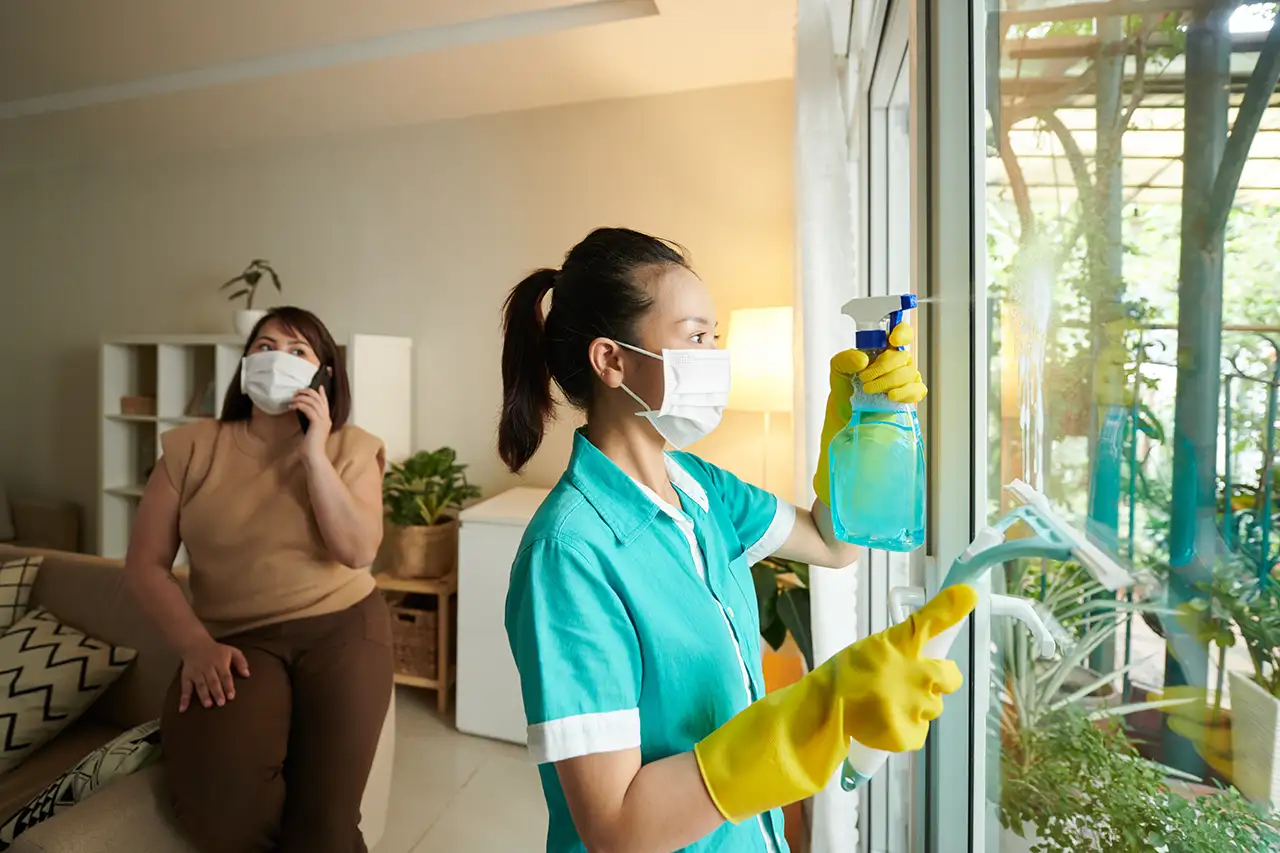
To effectively clean windows and mirrors post-renovation, begin by using a glass cleaner or a mixture of vinegar and water to wipe away any dust or debris. Make sure to pay attention to the corners and edges for a thorough clean. For stubborn spots, a microfiber cloth or newspaper can be useful in achieving a streak-free finish. It is important to work in small sections to ensure that no areas are missed and to avoid streaking.
After cleaning the windows and mirrors, inspect them for any smudges or streaks that may have been left behind. If necessary, go over the surfaces again with a clean, dry cloth for a polished look. Don't forget to also clean the window sills and frames to remove any remaining dust or dirt. Properly cleaned windows and mirrors can make a significant difference in the overall appearance of a renovated space, providing a clear and bright outlook.
Sanitizing and Disinfecting
After the renovation process is complete, it is essential to focus on sanitizing and disinfecting the area to ensure a clean and hygienic living environment. This step involves using appropriate cleaning agents to eliminate any germs, bacteria, and viruses that may be present on surfaces. By thoroughly sanitizing and disinfecting the space, you can create a healthy atmosphere for yourself and your family to enjoy.
When sanitizing and disinfecting, pay close attention to frequently touched surfaces such as doorknobs, light switches, countertops, and handles. These areas tend to harbor germs and bacteria, making them important targets for cleaning. Using disinfectant wipes or sprays can effectively kill any harmful microorganisms lingering on these surfaces. Additionally, don't forget to sanitize larger surfaces such as tables, chairs, and cabinets to ensure thorough cleanliness throughout the renovated space. By prioritizing sanitization and disinfection, you can maintain a fresh and healthy environment post-renovation.
Cleaning Appliances and Fixtures
After the renovation work is completed, it's crucial to pay attention to cleaning appliances and fixtures. These can easily accumulate dust and debris during the construction process, making it essential to give them a thorough cleaning. Starting with the kitchen, wipe down all appliances such as the stove, refrigerator, and dishwasher. Ensure that all surfaces are free of any dirt or grime, and don't forget to clean the exterior of the appliances as well. In the bathroom, scrub the sinks, tub, and toilet to remove any remnants of construction debris. Pay close attention to fixtures like faucets and showerheads, ensuring they are sparkling clean.
Moving on to the other areas of the house, don't overlook appliances and fixtures in the living room, bedrooms, and any other spaces that were part of the renovation. Dust and clean ceiling fans, light fixtures, and vents to eliminate any dirt that may have accumulated. Wipe down switches, outlets, and door handles to ensure they are sanitized and free of any germs. Taking the time to thoroughly clean appliances and fixtures will not only enhance the appearance of your home but also contribute to creating a healthier living environment for you and your family.
Cleaning Floors
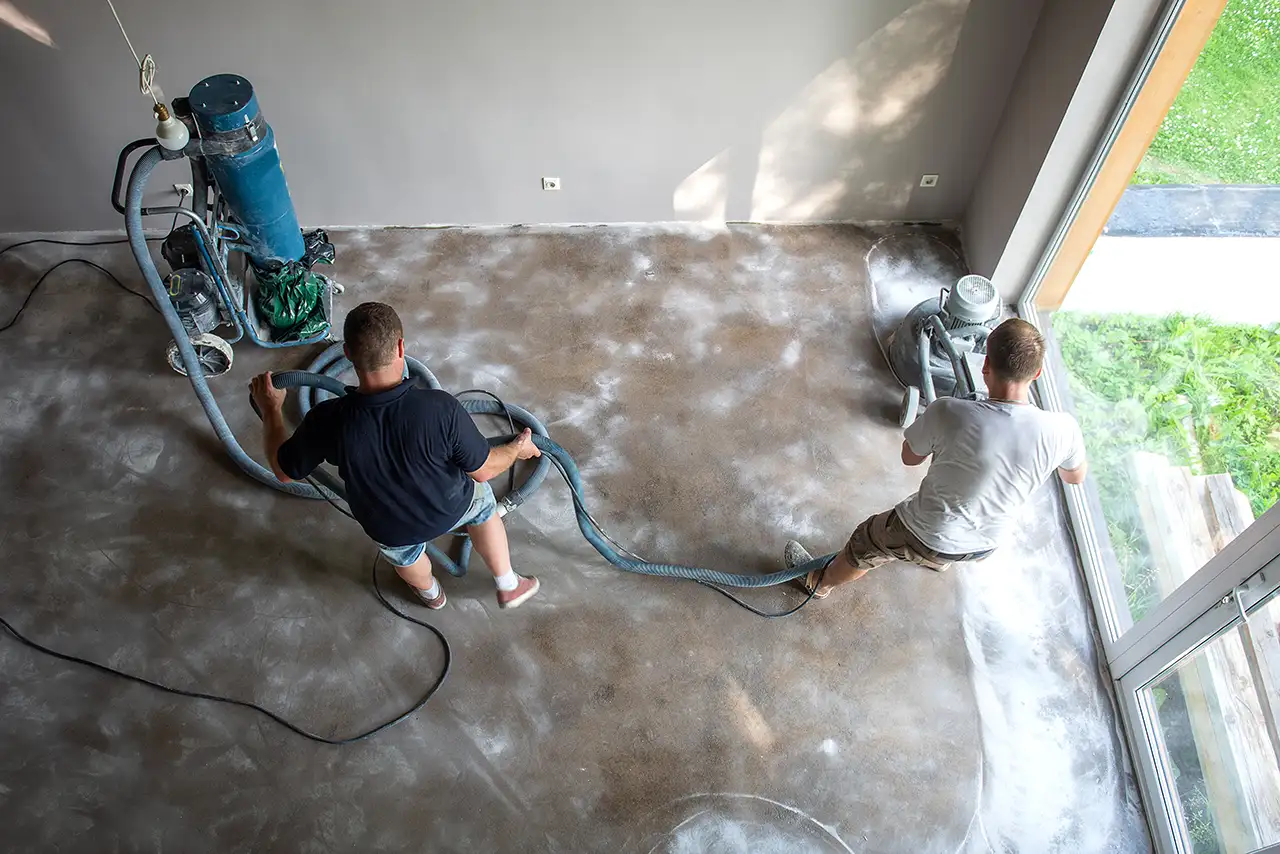
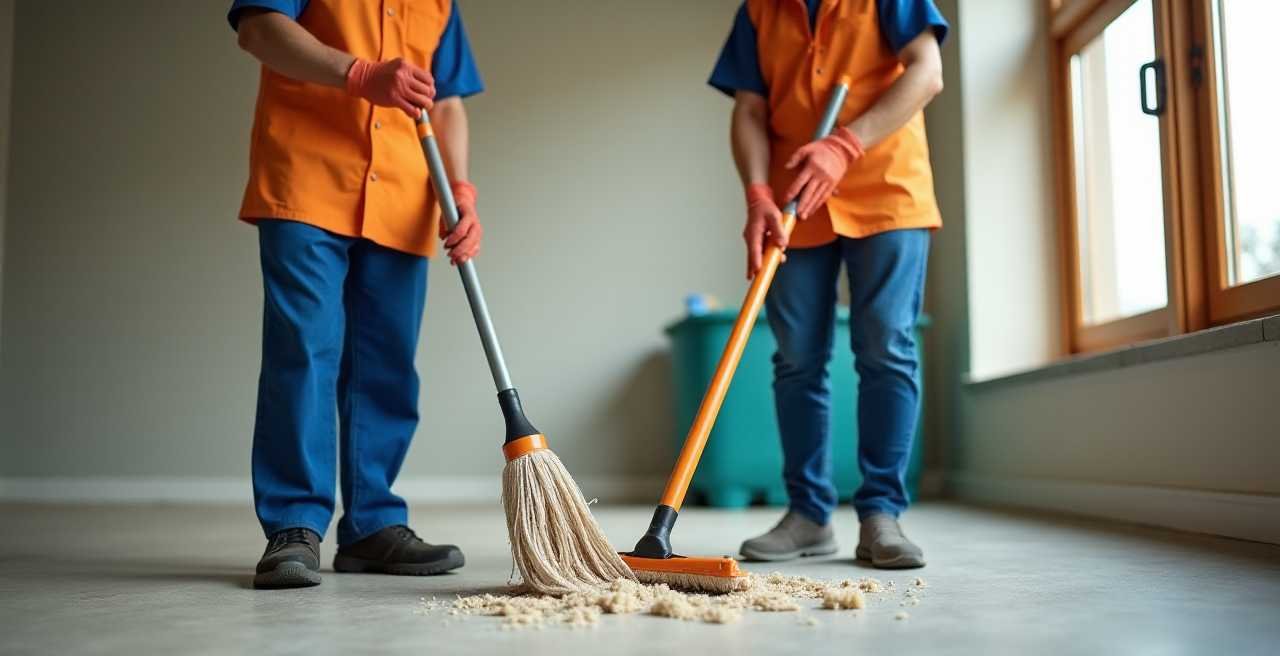
After the renovation work is completed, it is essential to thoroughly clean the floors to remove any leftover dust, debris, or stains. Start by sweeping or vacuuming the floors to get rid of large particles and dirt. Be sure to pay attention to corners, baseboards, and edges where debris tends to accumulate during renovation work.
Once the initial sweeping or vacuuming is done, mop the floors using a suitable cleaning solution. Make sure to wring out the mop properly to avoid leaving excess water on the floors, which can cause damage. For hard floors, such as tiles or wood, make sure to use a cleaner appropriate for the specific material to avoid any damage or discoloration.
Organizing and Decluttering
When it comes to organizing and decluttering after a renovation project, it's crucial to methodically tackle the spaces that have been affected. Begin by sorting through items that may have been displaced or accumulated during the renovation process. Create designated piles for items to keep, donate, or discard to streamline the organization process effectively.
After decluttering, focus on reorganizing the space to optimize functionality and aesthetics. Consider investing in storage solutions such as bins, shelves, or drawer organizers to maintain a clutter-free environment. Implementing a systematic approach to organizing will not only enhance the overall look of the space but also contribute to a more efficient and stress-free living environment.
Checking for Any Damage
After a renovation project is completed, it is crucial to inspect the area thoroughly for any potential damage that may have occurred during the construction process. This step is essential to ensure that all aspects of the renovation are executed to standard and that any issues are promptly addressed. By carefully checking for any damage, such as cracks in walls, scratches on surfaces, or any broken fixtures, homeowners can guarantee that their newly renovated space is in pristine condition.
In addition to examining visible surfaces for damage, it is also important to inspect less obvious areas such as electrical outlets, plumbing fixtures, and structural elements. By conducting a comprehensive check for any signs of wear and tear or malfunctions, homeowners can prevent potential hazards and ensure the longevity of their renovated space. Addressing any damage promptly can save time and money in the long run, as small issues can quickly escalate into larger problems if left unattended.
Final Touches and Finishing Up
After completing the thorough cleaning process following a renovation project, it is essential to focus on the final touches to ensure the space is truly spotless. This stage involves inspecting the area meticulously to address any overlooked spots or residue that may have been missed during the initial cleaning. By paying attention to detail in this final step, you can guarantee that the space is pristine and ready for use.
Furthermore, finishing up the post-renovation cleaning involves double-checking all surfaces, fixtures, and appliances to ensure they are sparkling clean and free of any debris. It is crucial to take the time to go over the entire area one last time to confirm that every corner has been properly cleaned and sanitized. By conducting a final sweep of the space, you can rest assured that the renovation cleanup has been completed to the highest standard.
Why is post-renovation cleaning important?
Post-renovation cleaning is important to remove dust, debris, and other construction residue left behind after the renovation process. It helps to ensure a clean and safe living environment.
What areas should be focused on during post-renovation cleaning?
Important areas to clean after renovation include surfaces, windows, floors, appliances, fixtures, and any other areas that may have been affected during the renovation process.
Do I need to sanitize and disinfect after renovation?
Yes, it is important to sanitize and disinfect surfaces after renovation to remove any bacteria or germs that may have been introduced during the construction process.
How can I best organize and declutter after a renovation?
Organizing and decluttering after a renovation involves finding a place for everything, getting rid of items you no longer need, and creating a functional and organized space.
What should I do if I notice any damage after the renovation is complete?
If you notice any damage after the renovation is complete, be sure to document it and contact the contractor or renovation company to address the issue promptly.
What are some final touches I can add to complete the post-renovation cleaning process?
Some final touches to complete the post-renovation cleaning process include adding fresh flowers or plants, hanging up new curtains or artwork, and ensuring all surfaces are clean and sparkling.